
Main menu

  • HOME
  • ARTICLES
    • Current Issue
    • Archives
    • Special Collections
    • Abstracts In Press
  • INFO FOR
    • Authors
    • Reviewers
    • Call For Papers
    • Subscribers
    • Advertisers
  • SUBMIT
    • Manuscript
    • Peer Review
  • ABOUT
    • The JABFM
    • The Editing Fellowship
    • Editorial Board
    • Indexing
  • CLASSIFIEDS
  • Other Publications
    • abfm

User menu

Search

  • Advanced search
American Board of Family Medicine
  • Other Publications
    • abfm
American Board of Family Medicine

American Board of Family Medicine

Advanced Search

  • HOME
  • ARTICLES
    • Current Issue
    • Archives
    • Special Collections
    • Abstracts In Press
  • INFO FOR
    • Authors
    • Reviewers
    • Call For Papers
    • Subscribers
    • Advertisers
  • SUBMIT
    • Manuscript
    • Peer Review
  • ABOUT
    • The JABFM
    • The Editing Fellowship
    • Editorial Board
    • Indexing
  • CLASSIFIEDS
  • JABFM on Bluesky
  • JABFM On Facebook
  • JABFM On Twitter
  • JABFM On YouTube
Research ArticleEvidence-Based Clinical Medicine

Addressing Post-COVID Symptoms: A Guide for Primary Care Physicians

Heather Vance, Amelita Maslach, Emily Stoneman, Kathryn Harmes, Andrea Ransom, Katharine Seagly and Wendy Furst
The Journal of the American Board of Family Medicine November 2021, 34 (6) 1229-1242; DOI: https://doi.org/10.3122/jabfm.2021.06.210254
Heather Vance
From University Health Service, University of Michigan, Ann Arbor (HV); Primary Care Clinic, University Health Service, University of Michigan, Ann Arbor (AM); Department of Internal Medicine, Division of Infectious Diseases, University of Michigan Medical School, Ann Arbor (ES); Department of Family Medicine, University of Michigan Medical School, Ann Arbor (KH); University Health Service, University of Michigan (AR); Division of Rehabilitation Psychology and Neuropsychology, Department of Physical Medicine and Rehabilitation, University of Michigan Medical School, Ann Arbor (KS); Department of Family Medicine, University of Michigan Medical School, Ann Arbor (WF).
MD
  • Find this author on Google Scholar
  • Find this author on PubMed
  • Search for this author on this site
Amelita Maslach
From University Health Service, University of Michigan, Ann Arbor (HV); Primary Care Clinic, University Health Service, University of Michigan, Ann Arbor (AM); Department of Internal Medicine, Division of Infectious Diseases, University of Michigan Medical School, Ann Arbor (ES); Department of Family Medicine, University of Michigan Medical School, Ann Arbor (KH); University Health Service, University of Michigan (AR); Division of Rehabilitation Psychology and Neuropsychology, Department of Physical Medicine and Rehabilitation, University of Michigan Medical School, Ann Arbor (KS); Department of Family Medicine, University of Michigan Medical School, Ann Arbor (WF).
MD
  • Find this author on Google Scholar
  • Find this author on PubMed
  • Search for this author on this site
Emily Stoneman
From University Health Service, University of Michigan, Ann Arbor (HV); Primary Care Clinic, University Health Service, University of Michigan, Ann Arbor (AM); Department of Internal Medicine, Division of Infectious Diseases, University of Michigan Medical School, Ann Arbor (ES); Department of Family Medicine, University of Michigan Medical School, Ann Arbor (KH); University Health Service, University of Michigan (AR); Division of Rehabilitation Psychology and Neuropsychology, Department of Physical Medicine and Rehabilitation, University of Michigan Medical School, Ann Arbor (KS); Department of Family Medicine, University of Michigan Medical School, Ann Arbor (WF).
MD
  • Find this author on Google Scholar
  • Find this author on PubMed
  • Search for this author on this site
Kathryn Harmes
From University Health Service, University of Michigan, Ann Arbor (HV); Primary Care Clinic, University Health Service, University of Michigan, Ann Arbor (AM); Department of Internal Medicine, Division of Infectious Diseases, University of Michigan Medical School, Ann Arbor (ES); Department of Family Medicine, University of Michigan Medical School, Ann Arbor (KH); University Health Service, University of Michigan (AR); Division of Rehabilitation Psychology and Neuropsychology, Department of Physical Medicine and Rehabilitation, University of Michigan Medical School, Ann Arbor (KS); Department of Family Medicine, University of Michigan Medical School, Ann Arbor (WF).
MD
  • Find this author on Google Scholar
  • Find this author on PubMed
  • Search for this author on this site
Andrea Ransom
From University Health Service, University of Michigan, Ann Arbor (HV); Primary Care Clinic, University Health Service, University of Michigan, Ann Arbor (AM); Department of Internal Medicine, Division of Infectious Diseases, University of Michigan Medical School, Ann Arbor (ES); Department of Family Medicine, University of Michigan Medical School, Ann Arbor (KH); University Health Service, University of Michigan (AR); Division of Rehabilitation Psychology and Neuropsychology, Department of Physical Medicine and Rehabilitation, University of Michigan Medical School, Ann Arbor (KS); Department of Family Medicine, University of Michigan Medical School, Ann Arbor (WF).
NP
  • Find this author on Google Scholar
  • Find this author on PubMed
  • Search for this author on this site
Katharine Seagly
From University Health Service, University of Michigan, Ann Arbor (HV); Primary Care Clinic, University Health Service, University of Michigan, Ann Arbor (AM); Department of Internal Medicine, Division of Infectious Diseases, University of Michigan Medical School, Ann Arbor (ES); Department of Family Medicine, University of Michigan Medical School, Ann Arbor (KH); University Health Service, University of Michigan (AR); Division of Rehabilitation Psychology and Neuropsychology, Department of Physical Medicine and Rehabilitation, University of Michigan Medical School, Ann Arbor (KS); Department of Family Medicine, University of Michigan Medical School, Ann Arbor (WF).
PhD
  • Find this author on Google Scholar
  • Find this author on PubMed
  • Search for this author on this site
Wendy Furst
From University Health Service, University of Michigan, Ann Arbor (HV); Primary Care Clinic, University Health Service, University of Michigan, Ann Arbor (AM); Department of Internal Medicine, Division of Infectious Diseases, University of Michigan Medical School, Ann Arbor (ES); Department of Family Medicine, University of Michigan Medical School, Ann Arbor (KH); University Health Service, University of Michigan (AR); Division of Rehabilitation Psychology and Neuropsychology, Department of Physical Medicine and Rehabilitation, University of Michigan Medical School, Ann Arbor (KS); Department of Family Medicine, University of Michigan Medical School, Ann Arbor (WF).
MA
  • Find this author on Google Scholar
  • Find this author on PubMed
  • Search for this author on this site
  • Article
  • Figures & Data
  • References
  • Info & Metrics
  • PDF
Loading

Article Figures & Data

Figures

  • Tables
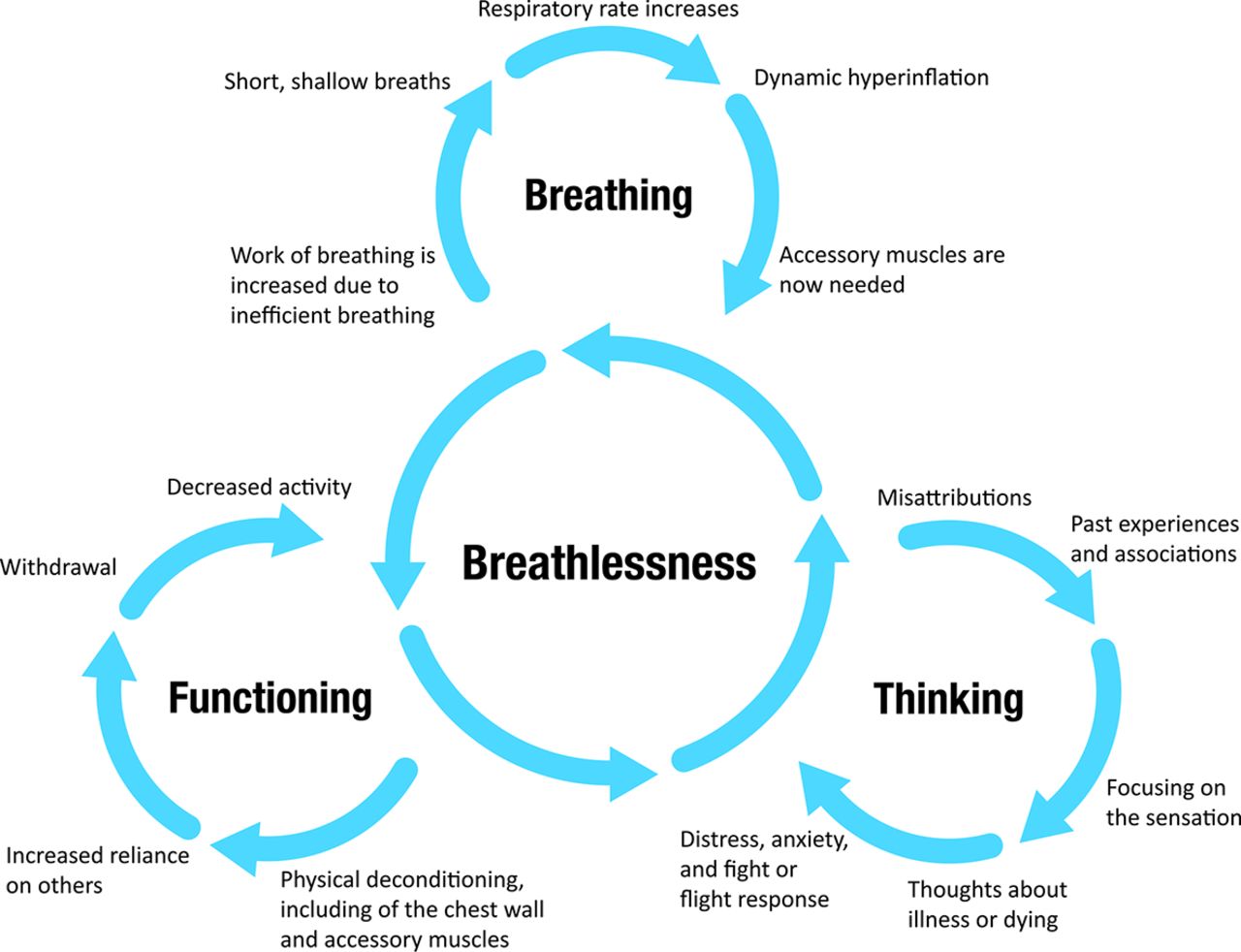
  • An updated breathing thinking functioning model.
    • Download figure
    • Open in new tab
    Figure 1.

    An updated breathing thinking functioning model.

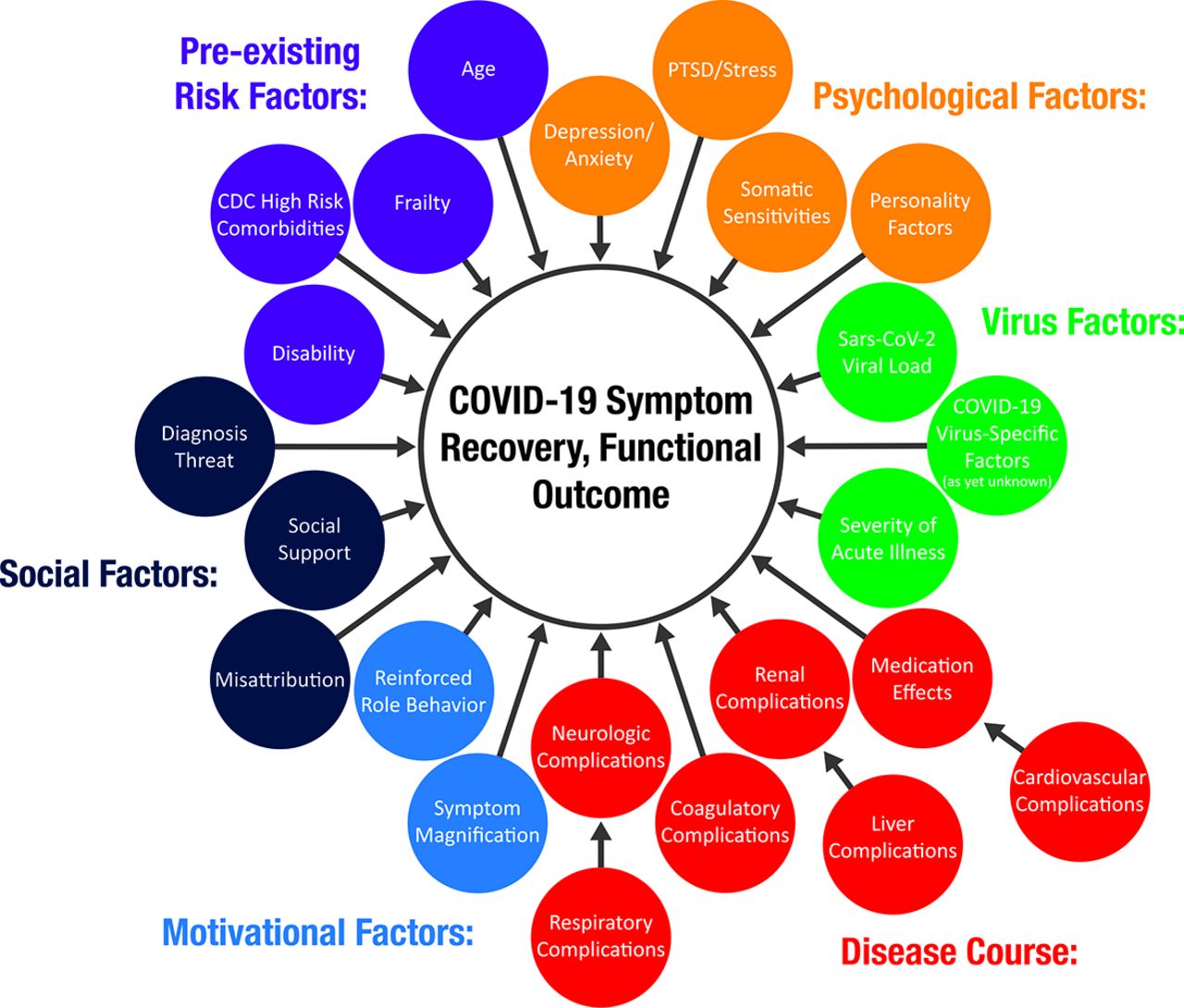
  • Possible factors influencing symptom reporting acutely, postacutely, and long after a COVID-19 infection. PTSD, post-traumatic stress disorder.
    • Download figure
    • Open in new tab
    Figure 2.

    Possible factors influencing symptom reporting acutely, postacutely, and long after a COVID-19 infection. PTSD, post-traumatic stress disorder.

Tables

  • Figures
    • View popup
    Table 1.

    Systems, Symptoms, and Treatments for Post-COVID Patients*

    SystemSymptomInitial WorkupTreatment by Primary CareReferrals for Further EvaluationReasons to Refer
    CardiovascularCardiac symptoms (palpitations, new arrhythmia, chest pain, edema, and so forth)CBC
    High-sensitivity troponin
    BNP
    D-Dimer
    CRP
    Sed rate
    EKG
    Consider:
    CXR
    Echo
    Treat underlying cause as appropriateMultidisciplinary post-COVID clinic (cardiology)All patients with cardiac complications (myocarditis, pericarditis, MI, dysrhythmia, etc) should be evaluated by cardiology.
    DysautonomiaCMP
    CBC
    TSH
    Orthostatic blood pressures
    Tilt table test
    Hydration
    Increase salt intake
    Compression stockings
    Meditation and breathwork
    POTS: consider adding midodrine or fludrocortisone
    Hyperadrenergic POTS: beta-blocker
    Patient education:
    POTS AVS†
    Multidisciplinary post COVID clinic (cardiology)Symptoms refractory to treatment
    AnosmiaEvaluate for underlying etiology (allergies, postnasal drip, and so forth)Nasal steroid sprays if appropriate
    Patient education:
    Anosmia and smell training AVS†
    ENTIf >6 months
    Poor glycemic controlRoutine labsLifestyle modifications
    Medication management
    Patient education:
    Diabetes education
    Multidisciplinary post-COVID clinic (MEND)
    Transaminitis/liver complications post-COVIDLFT
    Hepatitis panel
    Iron panel
    ANA
    SMA
    Ferritin
    US abdomen w/Doppler flow
    Avoid alcohol, acetaminophen, and other liver toxic substances and medicationsHepatology/GILabs:
    If ALT and/or AST >5 x ULN
    If baseline pre-COVD value known to be > 5 x ULN: Increase of ALT and/or AST to > 2 x baseline
    • If baseline pre-COVD value known to be 2 to 5 x ULN: Increase of ALT and/or AST to > 3 x baseline
    • Evidence of hyperbilirubinemia (T. Bil > 2.5) or coagulopathy (INR >1.5)
    Clinical Features:
    If Features of decompensated liver disease (e.g., ascites, hepatic encephalopathy)
    Thromboembolism and other thrombotic complicationsEvaluate for underlying etiologyPatient education:
    Anticoagulation education
    Hematology
    Severe secondary pulmonary infectionsImaging or labs identifying concernMultidisciplinary post-COVID clinic (infectious disease)
    Post-COVID kidney dysfunction (AKI, hematuria, proteinuria)Routine labsTreat underlying conditionMultidisciplinary post-COVID clinic (nephrology)
    Chronic headachesMRI brain if escalating pattern or other red flag symptomsLifestyle modifications (exercise, sleep, diet)
    Gabapentin
    Pregabalin
    Tricyclics
    Duloxetine
    Patient education:
    Chronic headache AVS†
    Multidisciplinary post-COVID clinic (PM&R and/or neurology)Symptoms refractory to initial treatment
    Neurologic symptoms (weakness, paresthesias, impaired mobility, and so forth)CBC
    CMP
    TSH
    Vitamin B12
    Vitamin D
    Hgb A1c if paresthesias
    MRI brain if:
    • Moderate-severe COVID
    • >50 years of age
    • Medical comorbidities/risk factors
    • Impact on job or iADLs
    • Focal neurological deficits or symptoms
    Gabapentin
    Pregabalin
    TricyclicsDuloxetine
    Patient education:
    Paresthesias AVS†
    Multidisciplinary post-COVID clinic (PM&R and/or neurology)
    PT/OT
    Chronic fatigueCMP
    CBC
    TSH
    Screen for OSA† (STOP-BANG)
    *consider adding
    ANA, CRP/ESR
    myalgia, arthralgia
    Pacing of exercise: low-impact and short duration
    Don't push to recondition
    • Pacing activity†
    • Planning out your day†
    • Break larger tasks into smaller ones†
    Resource for clinicians†
    Consider stimulants in severe cases
    Patient education:
    Chronic fatigue AVS†
    Return to exercise Post-COVID AVS†
    Sleep study if indicated
    Sleep medicine
    Suspicion for sleep disorder
    Chronic painANA with reflex ENA
    CRP
    Sed rate
    Rheumatoid factor
    Anti-ccp
    Lifestyle modifications (exercise, sleep, diet)
    Gabapentin
    Pregabalin
    Tricyclics
    Duloxetine
    Patient education:
    Chronic pain AVS†
    Chronic pain patient†
    Education class
    Multidisciplinary post-COVID clinic (PM&R)Symptoms refractory to initial treatment
    Return to activityResource for clinicians†
    Patient education:
    Return to exercise post-COVID AVS†
    Multidisciplinary post-COVID clinic (cardiology)Competitive athlete
    Severe COVID-19 infection or requiring hospitalization
    Abnormal return to play cardiac testing (echo, EKG, hs-trop)
    Cardiac injury diagnosed subsequent to COVID-19 infection
    Depression
    Anxiety
    PTSD
    PHQ-9
    GAD-7
    TSH
    CBC
    Counseling
    Consider medication
    SNRI if concurrent HA or paresthesias
    Patient education:
    Mental health support AVS†
    Psychiatry
    Social work
    Group therapy
    Support groups
    Symptoms refractory to initial treatment
    Need for additional support
    Decreased concentration
    Brain fog
    Memory loss
    CBC
    CMP
    TSH
    Vitamin B12
    Vitamin D
    Severe cognitive decline:
    Folate, thiamine, HIV, RPR, and neuropsychological testing
    MRI brain if:
    • Moderate to severe COVID
    • >50 years of age
    • Medical comorbidities/risk factors
    • Impact on job or iADLs
    • Focal neurological deficits or symptoms
    If symptoms significant:
    Atomoxetine
    Dextroamphetamine/amphetamine
    Methylphenidate
    Modafinil
    Cognitive therapy
    Patient education:
    Brain fog AVS†
    Multidisciplinary post-COVID clinic (neuropsychology)
    Chronic dyspneaCBC
    BNP
    Resting pulse ox
    1 minute sit to stand test
    Slow gradual recovery with persistent sx >8 to 12 weeks:
    CXR
    Adult complete PFT
    Progressive dyspnea and/or dry/velcro crackles on exam:
    CXR
    Adult complete PFTReferral to pulmonary
    Screen for OSA (STOP-BANG) †
    CT chest if concerning exam or PFT findings
    Incentive spirometer
    Consider pulse ox for patient reassurance
    Patient education:
    Breathlessness AVS†
    Breathing exercises:
    Belly breathing†
    Pursed-lip breathing†
    Boxed breathing† 1:2 ratio, inhale:exhale
    Multidisciplinary Post COVID Clinic (Pulmonary)
    Sleep study if indicated
    Progressive dyspnea and/or dry/velcro crackles on exam
    Symptoms >12 weeks
    Sit to stand test ≥4% desaturation
    Concerning findings on CXR or spirometry/DLCO
    STOP-BANG ≥3
    Chronic coughEvaluate for common causes including GERD, postnasal drip, ACEI, and so forth
    Consider chest imaging if not resolving in 6 to 8 weeks after infection or if evidence of secondary bacterial infection
    Treat underlying cause if applicable
    Consider cough suppressants (dextromethorphan, benzonatate)
    Symptoms refractory to treatment
    Concerning symptoms or findings on imaging
    InsomniaTSH
    CBC
    Iron studies
    Screen for OSA (STOP-BANG)†
    CBT-I
    Sleep hygiene
    Sleep aids:
    Melatonin
    • Mirtazapine
    •Gabapentin
    • Amitriptyline (if paresthesias or headaches are also present)
    Patient education:
    Insomnia AVS†
    Sleep medicineSymptoms refractory to initial treatment
    • ACEI, angiotensin-converting-enzyme inhibitors; AKI, acute kidney injury; ALT, alanine transaminase; ANA, antinuclear antibody; AST, aspartate transaminase; AVS, after visit summary; BNP, brain natriuretic peptide; CBC, complete blood count; CBT-I, cognitive behavioral therapy for insomnia; CMP, complete metabolic panel; CRP, C-reactive protein; CT, computed tomography; CXR, chest radiograph; DLCO, diffusing capacity; EKG, electrocardiogram; ENA, extractable nuclear antigen; ENT, ear, nose, and throat; ESR, erythrocyte sedimentation rate; GAD-7, General Anxiety Disorder-7; GERD, gastroesophageal reflux disease; GI, gastrointestinal; HA, headache; HgbA1c, hemoglobin A1c; iADLs, instrumental activities of daily living; LFT, liver function tests; MEND, Division of Metabolism, Endocrinology & Diabetes; MRI, magnetic resonance imaging; OSA, obstructive sleep apnea; PFT, pulmonary function test; PHQ-9, Patient Health Questionnaire; PM&R, physical medicine and rehabilitation; POTS, postural orthostatic tachycardia syndrome; PT/OT, physical therapy/occupational therapy; PTSD, post-traumatic stress disorder; RPR, rapid plasma reagin; SMA, smooth muscle antibody; SNRI, serotonin-norepinephrine reuptake inhibitor; TSH, thyroid- hormone; ULN, upper limit of normal; US, ultrasound.

    • ↵* Workup and recommendations listed are based on level 3 evidence.

    • ↵† These tools can be found on this resource page (https://docs.google.com/document/d/154kOFvVK-_9iCVsr7emgd5sjoeoQR0xlTj38dlE-MAA/edit?usp=sharing).

    • View popup
    Table 2.

    Return to Exercise Guidance Chart

    Severity of Symptoms
    RecommendationsNo SymptomsMild SymptomsModerate Symptoms*Severe Symptoms or Hospitalized
    RestNo exercise for 10 days from positive test resultNo exercise for 10 days or more since symptom onset AND no symptoms for >10 daysNo exercise for >10 days since symptom onset AND no symptoms for >10 daysSee your medical provider or cardiologist before returning to exercise
    Cardiovascular testingNot advisedNot advisedEvaluation by a medical provider and consideration of cardiovascular testing
    Return to exercise guidancePaced and gradual return to activityPaced and gradual return to activityClearance from medical provider to return to activity
    • Note: Stop activity and see your medical provider if new symptoms such as dizziness, chest pain, shortness of breath, or palpitations develop while returning to exercise.

    • ↵* Patients above 65 years old or those with significant cardiovascular risk factors such as diabetes, hypertension, coronary artery disease, atrial fibrillation, or kidney disease would also fall into this category.

PreviousNext
Back to top

In this issue

The Journal of the American Board of Family   Medicine: 34 (6)
The Journal of the American Board of Family Medicine
Vol. 34, Issue 6
November/December 2021
  • Table of Contents
  • Table of Contents (PDF)
  • Cover (PDF)
  • Index by author
  • Back Matter (PDF)
  • Front Matter (PDF)
Print
Download PDF
Article Alerts
Sign In to Email Alerts with your Email Address
Email Article

Thank you for your interest in spreading the word on American Board of Family Medicine.

NOTE: We only request your email address so that the person you are recommending the page to knows that you wanted them to see it, and that it is not junk mail. We do not capture any email address.

Enter multiple addresses on separate lines or separate them with commas.
Addressing Post-COVID Symptoms: A Guide for Primary Care Physicians
(Your Name) has sent you a message from American Board of Family Medicine
(Your Name) thought you would like to see the American Board of Family Medicine web site.
CAPTCHA
This question is for testing whether or not you are a human visitor and to prevent automated spam submissions.
Citation Tools
Addressing Post-COVID Symptoms: A Guide for Primary Care Physicians
Heather Vance, Amelita Maslach, Emily Stoneman, Kathryn Harmes, Andrea Ransom, Katharine Seagly, Wendy Furst
The Journal of the American Board of Family Medicine Nov 2021, 34 (6) 1229-1242; DOI: 10.3122/jabfm.2021.06.210254

Citation Manager Formats

  • BibTeX
  • Bookends
  • EasyBib
  • EndNote (tagged)
  • EndNote 8 (xml)
  • Medlars
  • Mendeley
  • Papers
  • RefWorks Tagged
  • Ref Manager
  • RIS
  • Zotero
Share
Addressing Post-COVID Symptoms: A Guide for Primary Care Physicians
Heather Vance, Amelita Maslach, Emily Stoneman, Kathryn Harmes, Andrea Ransom, Katharine Seagly, Wendy Furst
The Journal of the American Board of Family Medicine Nov 2021, 34 (6) 1229-1242; DOI: 10.3122/jabfm.2021.06.210254
Twitter logo Facebook logo Mendeley logo
  • Tweet Widget
  • Facebook Like
  • Google Plus One

Jump to section

  • Article
    • Abstract
    • Background
    • Methods
    • Findings
    • Discussion
    • Appendix
    • Notes
    • References
  • Figures & Data
  • References
  • Info & Metrics
  • PDF

Related Articles

  • No related articles found.
  • PubMed
  • Google Scholar

Cited By...

  • Orthostatic tachycardia after covid-19
  • Patients Experiences With Therapeutic Approaches for Post-COVID Syndrome: Results of a Crowdsourced Research Survey
  • Re: Addressing Post-COVID Symptoms: A Guide for Primary Care
  • The Most Frequently Read Articles of 2021
  • Research on the Issues Family Physicians Face Today: Controlled Substances, COVID-19, Hypertension, and "Slow Medicine," Among Many More Topics
  • Google Scholar

More in this TOC Section

  • Emerging and Off-Label Uses Of Glucagon-Like Peptide-1 Receptor Agonists (GLP1-RA) and Dual GIP/GLP1-RAs
  • Practical Recommendations for Minimizing Pain and Anxiety with IUD Insertion
  • A Simplified Approach to Evaluate and Manage Shoulder Pain
Show more Evidence-Based Clinical Medicine

Similar Articles

Keywords

  • COVID-19
  • Long-COVID
  • Multidisciplinary Communication
  • Patient Care Team
  • Primary Health Care

Navigate

  • Home
  • Current Issue
  • Past Issues

Authors & Reviewers

  • Info For Authors
  • Info For Reviewers
  • Submit A Manuscript/Review

Other Services

  • Get Email Alerts
  • Classifieds
  • Reprints and Permissions

Other Resources

  • Forms
  • Contact Us
  • ABFM News

© 2026 American Board of Family Medicine

Powered by HighWire